How to Clay Bar Your Car: A Step-by-Step Guide
Paint that looks clean can still feel rough. Here's how to use a clay bar to remove bonded contamination safely at home, step by step.

- Difficulty
- Beginner
- Time needed
- 45–90 minutes
- Products used
- 4 products
Key takeaways
- Claying removes the bonded contamination a normal wash leaves behind: tar, sap, overspray and fallout.
- Always use plenty of lubricant. Dry clay on paint is how scratches happen.
- Most cars only need claying once or twice a year, followed by wax, sealant or a coating.
Run your fingertips over the bonnet of a freshly washed car and you might be surprised. Paint that looks clean can still feel rough, almost like fine sandpaper. That texture is contamination that has bonded to the clear coat, and no shampoo will shift it. A clay bar will. Here's how to do it properly at home, without marring the paint.
What a clay bar actually does
A detailing clay bar is a soft, slightly tacky compound. As you glide it across a lubricated panel, it grabs anything sitting proud of the paint and pulls it out of the surface. The contaminants end up trapped inside the clay instead of being dragged around the panel.
Typical things it removes:
- Tar spots, especially along the sills and behind the wheels
- Tree sap and resin
- Paint overspray from nearby jobs
- Industrial fallout and the grime left behind after washing
The result is paint that feels glass-smooth. That matters because wax, sealants and ceramic coatings bond far better to a clean surface, look glossier and last longer.
When does your car need claying?
You don't need to clay every time you wash. The simplest test takes ten seconds. After washing, put your hand inside a thin sandwich bag and lightly run it over the paint. The plastic exaggerates every bump, so contamination you can't see becomes easy to feel.
- Smooth: no need to clay. Just wash and protect.
- Slightly gritty: clay the affected panels, usually the bonnet, roof and lower doors.
- Rough all over: give the whole car a full decontamination.
It's also worth claying before you polish, before applying a ceramic coating and when you've just bought a used car.
What you'll need
- A clay bar
- A dedicated clay lubricant such as Clay Lube
- Iron Remover for the chemical stage
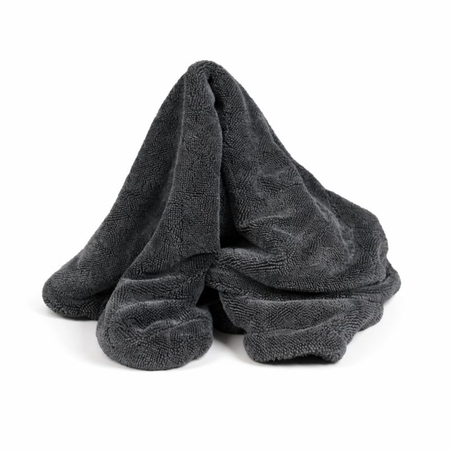
- A soft, clean microfibre towel for wiping and drying
- Your usual shampoo, wash mitt and two buckets
Work in the shade on cool paint. Lubricant evaporates fast on a hot panel, and dry clay is exactly what causes marring. If the panel is warm to the touch, wait.
How to clay bar your car, step by step
- Wash the car thoroughly. Clay is for bonded dirt, not loose grit. Wash with the two-bucket method and rinse well so there is nothing on the surface for the clay to drag around.
- Remove iron fallout first. Apply Iron Remover to the clean paint, let it dwell according to the label and rinse it off thoroughly. This dissolves a lot of the contamination chemically, so the clay has less work to do.
- Prepare a piece of clay. Tear off roughly a quarter of the bar and knead it into a flat patty about the size of your palm. Keep the rest sealed in its container.
- Lubricate a small area. Work on about 50 x 50 cm at a time. Spray Clay Lube generously over the area and onto the clay itself.
- Glide, don't scrub. Move the clay in straight lines, first one way and then across, with very light pressure. At first you'll feel and hear it grab. When it glides silently and freely, the section is clean.
- Wipe and check. Wipe the residue off with a clean microfibre towel and feel the paint through a sandwich bag. Repeat on that section if it still feels rough.
- Fold the clay often. Look at the clay after each panel. When the face turns grey or brown, fold it over and knead it to expose a fresh surface.
- Finish with a rinse. Once every panel is done, give the car a final rinse or quick wash to remove lubricant residue, then dry it.
Pro tip: if you drop the clay, throw that piece away. It will pick up grit from the ground that will scratch your paint, and it isn't worth the risk for a few pence of clay.
Clay bar or iron remover: which do you need?
They're often confused, but they tackle different problems. For a proper result you'll usually want both, in this order.
| Iron remover | Clay bar | |
|---|---|---|
| How it works | Chemically dissolves ferrous particles | Mechanically lifts bonded contamination |
| Best at | Brake dust and rail or industrial fallout | Tar, sap, overspray and general roughness |
| Contact with paint | None: spray on, dwell, rinse off | Light contact, always with lubricant |
| Order | First | Second |
Common mistakes to avoid
- Not using enough lubricant. If the clay starts to drag or squeak, add more straight away.
- Pressing too hard. The clay does the work. Heavy pressure only increases the risk of marring.
- Using the same face for too long. A loaded clay surface is full of the grit you've just removed.
- Using washing-up liquid as lube. It isn't designed for this and can leave residue or strip protection unevenly. Use a proper clay lubricant.
- Skipping protection afterwards. Freshly clayed paint is bare. Leaving it unprotected means it collects contamination again quickly.
Clay first, protect second. Wax applied over contaminated paint just seals the grit in.
What to do after claying
Claying can leave very light marks on soft paint, which is why many detailers polish afterwards. Even if you skip polishing, you should always protect the paint. Clean it with a panel wipe or Pre-Wax Cleaner, then apply your wax, sealant or coating. If you're new to coatings, our guide What Is a Ceramic Coating? explains the options.
From then on, keep the finish in good shape with regular safe washes. A snow foam pre-wash removes much of the dirt before you ever touch the paint, which means less contamination builds up between claying sessions.
Frequently asked questions
How often should I clay bar my car?
For most daily drivers, once or twice a year is plenty. Use the sandwich bag test after washing: if the paint feels rough, it's time.
Can a clay bar scratch my paint?
Used correctly, with plenty of lubricant and light pressure, the risk is very low. Scratches usually come from dry clay, too much pressure, or clay that has been dropped and reused.
Can I use a clay bar on glass?
Yes. Clay works well on windscreens and windows, removing bonded grime that makes wipers judder. Use lubricant in the same way as on paint.
Do I need to polish after claying?
Not always, but it gives the best finish, especially on dark or soft paint. At the very least, protect the paint with wax, sealant or a coating after claying.
How do I store a clay bar between uses?
Mist it with a little clay lubricant, put it back in its container and keep it somewhere cool. Replace it once it stays dirty even after folding.
Ready to feel the difference? Everything you need for a full decontamination is below. Buy 2 or more and save up to 20% automatically.
Products used in this guide


Get the full kit and save
Mix any products: 2 items = 10% off · 3 items = 15% off · 5 items or £50 = 20% off. Applied automatically at checkout.