How to Wash Your Car Without Scratching It: The Two-Bucket Method
Most swirl marks come from washing. Here's how the two-bucket method keeps grit off your paint, what you need and how to do it step by step.

- Difficulty
- Beginner
- Time needed
- 45–60 minutes
- Products used
- 4 products
Key takeaways
- Most swirl marks come from washing, when grit on the mitt is dragged back across the paint.
- One bucket holds shampoo, the other holds clean water for rinsing the mitt. A grit guard in each keeps the dirt at the bottom.
- Pre-wash first, work from the roof down, and keep a separate mitt for the wheels.
Look at a dark car under a petrol station canopy at night and you will often see a web of fine circular scratches in the paint. Those swirl marks rarely come from driving. They come from washing: a sponge or mitt picks up grit from one panel and drags it across the next. The two-bucket method is the simplest way to stop that happening, and it costs very little to set up.
Why washing scratches paint
The clear coat on modern paint is thin and softer than most people expect. Road grime contains sand, brake dust and tiny fragments of grit. When you wipe a dirty panel, those particles end up in your mitt. Dip the mitt back into the same bucket of soapy water and the grit is now floating in the water you are about to put on the next panel.
With a single bucket, the water gets dirtier with every dip. By the time you reach the doors you are washing the car with a weak abrasive. A second bucket breaks that cycle, because the dirt comes off the mitt in the rinse water and never reaches the shampoo.
What you'll need
- Two buckets, each with a grit guard. The Black Detailing Bucket With Grit Guard holds 20 litres and comes with the guard included.
- A pH-neutral car shampoo such as Shampoo Cola, which is safe on wax and ceramic coatings.
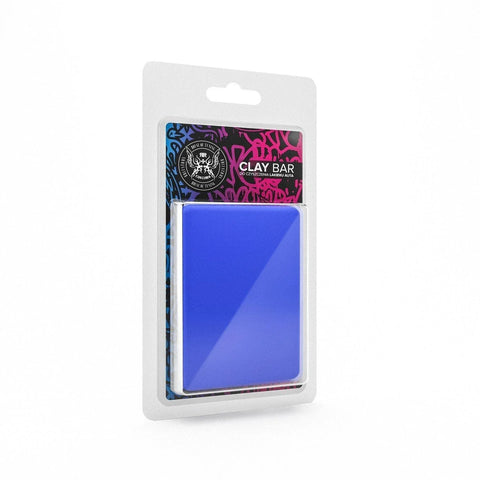
- A soft wash mitt. The Blue Microfiber Glove draws dirt into its fibres and away from the paint.
- A second, older mitt or a brush for the wheels.
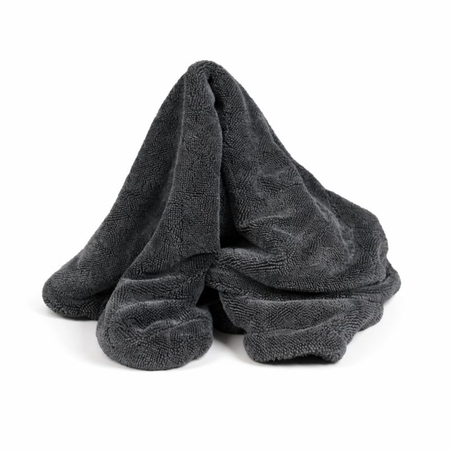
- A soft drying towel, for example the Ultra Plush Microfibre.
- A hose or pressure washer for rinsing.
Leave the washing-up liquid in the kitchen. It is made to cut grease, so it strips wax and dries out rubber seals. A proper car shampoo cleans without removing the protection on your paint.
What the grit guard does
A grit guard is a plastic grid that sits at the bottom of the bucket. When you rub the mitt against it, the dirt is knocked out of the fibres, drops through the grid and stays trapped underneath. The water above it stays much cleaner, so the mitt does not pick the same grit up again.
You can use the two-bucket method without guards, but they make it far more effective. Put one in each bucket if you can. If you only have one, it belongs in the rinse bucket.
The two-bucket method, step by step
- Park in the shade. Wash on cool panels, out of direct sunlight. Shampoo that dries on warm paint leaves marks and makes the job harder.
- Pre-wash without touching. Rinse the car, then apply a snow foam or traffic film remover and rinse again. The more dirt that leaves before the mitt arrives, the safer the wash. Our guide to using snow foam covers this stage.
- Do the wheels first. Wheels carry the worst of the brake dust, so clean them with their own mitt or brush before you start on the paint. See how to clean alloy wheels for the full routine.
- Set up the buckets. Put a grit guard in each. Fill one with clean water. In the other, add 25ml of Shampoo Cola for every 10 litres, pouring the shampoo in first and then filling with water to build a thick foam.
- Load the mitt and start at the roof. Soak the mitt in the shampoo bucket and wash one panel in straight lines with light pressure. Let the shampoo do the work.
- Rinse the mitt after every panel. Dunk it in the clean water bucket and rub it against the grit guard. Only then go back to the shampoo.
- Work downwards. Roof, glass, bonnet and boot, upper doors, then the lower doors, sills and bumpers. The dirtiest areas come last.
- Rinse the car thoroughly. Use plenty of water, ideally from a pressure washer, and do not let the shampoo dry on the paint.
- Dry with a clean towel. Fold a soft microfibre into quarters, wipe with light pressure and turn to a fresh side as each one gets wet.
Pro tip: look at the rinse bucket when you finish. The water will be grey and there will be grit under the guard. All of that would otherwise have gone back onto the paint.
One bucket or two: what changes?
| One bucket | Two buckets with grit guards | |
|---|---|---|
| Where the dirt goes | Back into the shampoo | Into the rinse bucket, under the guard |
| Shampoo water | Gets dirtier with every dip | Stays clean to the last panel |
| Risk of swirl marks | Higher, especially on dark paint | Much lower |
| Extra time | None | A few seconds per panel |
Common mistakes to avoid
- Washing in circles. Straight lines are safer. If a mark does appear, a straight one is far less visible than a swirl.
- Pressing hard on stubborn dirt. Go over the area again with more shampoo. Pressure is what turns grit into scratches.
- Using the paint mitt on the wheels. Brake dust stays in the fibres and ends up on the bonnet next time.
- Carrying on with a dropped mitt. If it touches the ground, rinse it thoroughly or swap it for a clean one.
- Skipping the pre-wash in winter. Salt and road film make the car far dirtier, so the touch-free stage matters even more.
- Drying with an old bath towel. Cotton is harsher than it feels. Use a soft microfibre kept only for the car.
A safe wash is mostly about where the dirt goes. Keep it out of the shampoo and it cannot come back to the paint.
Looking after your kit
Rinse both buckets and the grit guards when you finish, so dried grit is not waiting for you next time. Wash mitts and towels separately from household laundry, without fabric softener, which clogs the fibres and makes them less absorbent. A dedicated cleaner such as Microfiber Wash keeps them soft.
How often you wash depends on where and how you drive. For a daily driver in the UK, every week or two keeps road film from building up. In winter, when the roads are gritted, it is worth washing a little more often.
Frequently asked questions
Do I really need two buckets?
If you care about swirl marks, yes. A single bucket mixes the dirt you have just removed into the water you are about to use. The second bucket keeps the two apart.
Is a grit guard necessary?
It is not essential, but it makes a clear difference. Without one, the dirt at the bottom of the bucket is stirred up every time you dip the mitt.
Can I use the two-bucket method on a ceramic-coated car?
Yes, and it is the recommended way to wash one. Use a pH-neutral shampoo. Shampoo Cola is safe on wax and ceramic coatings.
How much shampoo should I use?
Follow the label. For Shampoo Cola it is 25ml per 10 litres of water. Adding more does not clean better and only makes rinsing harder.
Sponge or wash mitt?
A mitt. A flat sponge traps grit against the paint, while the deep fibres of a microfibre mitt pull dirt away from the surface.
Ready for a safer wash? Everything you need for the two-bucket method is below. Buy 2 or more and save up to 20% automatically.
Products used in this guide


Get the full kit and save
Mix any products: 2 items = 10% off · 3 items = 15% off · 5 items or £50 = 20% off. Applied automatically at checkout.